-3_edited.png)
"Why Does My Scalp Get So Dry in the Winter?" Glad You Asked. Here's Everything You Need to Know, and How to Fix It.

Winter in Charleston is better than winter just about anywhere else. We trade sandals for light layers, but hardly ever need to truly "bundle up." The Lowcountry’s charm doesn’t fade just because the temperature dips, but even in our relatively mild climate, the shift to cooler air and lower humidity can quietly take a toll on one often-overlooked area of your self-care routine: your scalp.

As humidity drops, moisture evaporates more quickly from the skin—including the scalp. That change can lead to tightness, itchiness, flaking, or, confusingly, excess oil production as your body tries to overcorrect the dryness.
The result? 😬 Hair that feels dull or heavy, flakes that show up unexpectedly, and a scalp that just doesn’t feel “right.”
We asked you via Instagram story poll if the cold weather made your scalps feel dry or itchy, and (spoiler alert) 77% of you said yes. Another 9% said that they’ve actually been experiencing issues with an oily scalp this Winter! 👇🏻

The good news? Winter scalp issues are extremely common—and very manageable. With a few intentional adjustments to your routine, you can keep your scalp balanced, healthy, and comfortable until CHS warms back up again.
Below, we’re breaking down our winter scalp care do’s and don’ts, plus a common seasonal myth that could actually be making your flakes worse.
But first, let's take a look at...
Why Winter Affects Your Scalp More Than You Think
Your scalp is skin first—just like your face or hands—but it’s often treated as an afterthought. In winter, several factors combine to disrupt its natural balance:
Lower humidity dries out the skin and weakens the scalp’s protective barrier
Cooler temperatures slow blood circulation, reducing nutrient delivery to hair follicles
Hot showers and indoor heating strip natural oils
Hats and beanies trap sweat and bacteria against the scalp
Together, these changes can lead to inflammation, dryness, and an unhealthy environment for hair growth. That’s why winter is the season when many people suddenly notice flakes or irritation—even if they’ve never dealt with scalp issues before.
The Winter "Do" List ✔️
• Extend Your Massage: Use your fingertips (not nails!) to massage your scalp for 2–3 minutes daily. This boosts blood circulation, which can sluggish in the cold, ensuring nutrients reach your hair follicles.
• Lower the Temp: We know a steaming hot shower feels amazing when it’s chilly outside, but lukewarm water is best. Hot water strips the natural oils that protect your scalp barrier.
• Dry Your Roots: Avoid leaving the house with a damp scalp. Cold air combined with moisture can cause the hair shaft to expand and weaken, and a damp environment can encourage fungal growth.
The Winter "Don't" List 🙅🏼♀️
• Don't Over-Exfoliate: While you might see more flakes in winter, aggressive scrubbing can cause micro-tears. Stick to a gentle, professional-grade exfoliant once a week.
• Don't Hide Under Hats All Day: Wool and synthetic beanies trap sweat and bacteria against the skin. If you’re wearing a hat for warmth, try to choose one with a silk or satin lining to reduce friction and allow your scalp to breathe.
• Don't Skip Conditioner: Many people avoid the scalp with conditioner, but in winter, a lightweight, scalp-safe moisturizing treatment can be essential to prevent "winter dandruff."
Myth: Flaking always means you have dandruff.
The Reality: In winter, flakes are far more likely caused by dry skin or seasonal seborrheic dermatitis, not classic dandruff. Traditional dandruff is oily and often linked to excess yeast on the scalp. Dry-skin flakes, on the other hand, result from dehydration and a weakened skin barrier.
Here’s where many people go wrong: Using a harsh anti-dandruff shampoo on dry winter flakes can actually make the problem worse by stripping away even more moisture. If your flakes are small, dry, and accompanied by tightness or itchiness, the solution is often hydration—not medication.

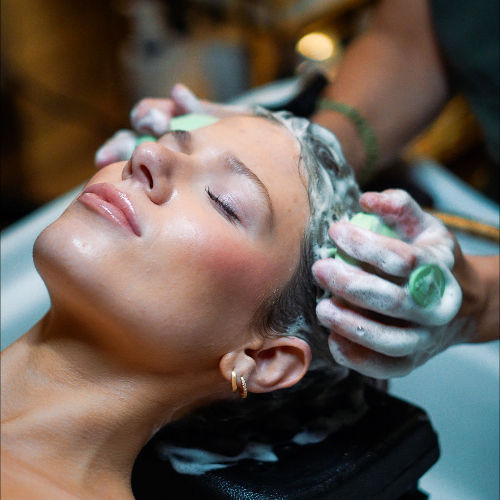
One of the most effective ways to combat seasonal dryness is with a professional scalp treatment designed specifically for winter conditions. Our Charleston VIP service begins with a full scalp analysis and personalized treatment plan, followed by a deeply restorative head spa experience with water and steam therapy, exfoliation, and conditioning.
The Charleston VIP is ideal for anyone experiencing dryness, flakes, irritation, or lackluster hair during the cooler months—and it pairs perfectly with a thoughtful at-home routine.
The Takeaway on Winter Scalp Care
Charleston winters may be short and sweet, but your scalp still feels the seasonal shift. By making a few mindful changes—adjusting water temperature, prioritizing moisture, and treating flakes with care rather than aggression—you can protect your scalp health all winter long. Healthy hair starts at the scalp, and winter is the perfect time to give it a little extra attention.


Comments